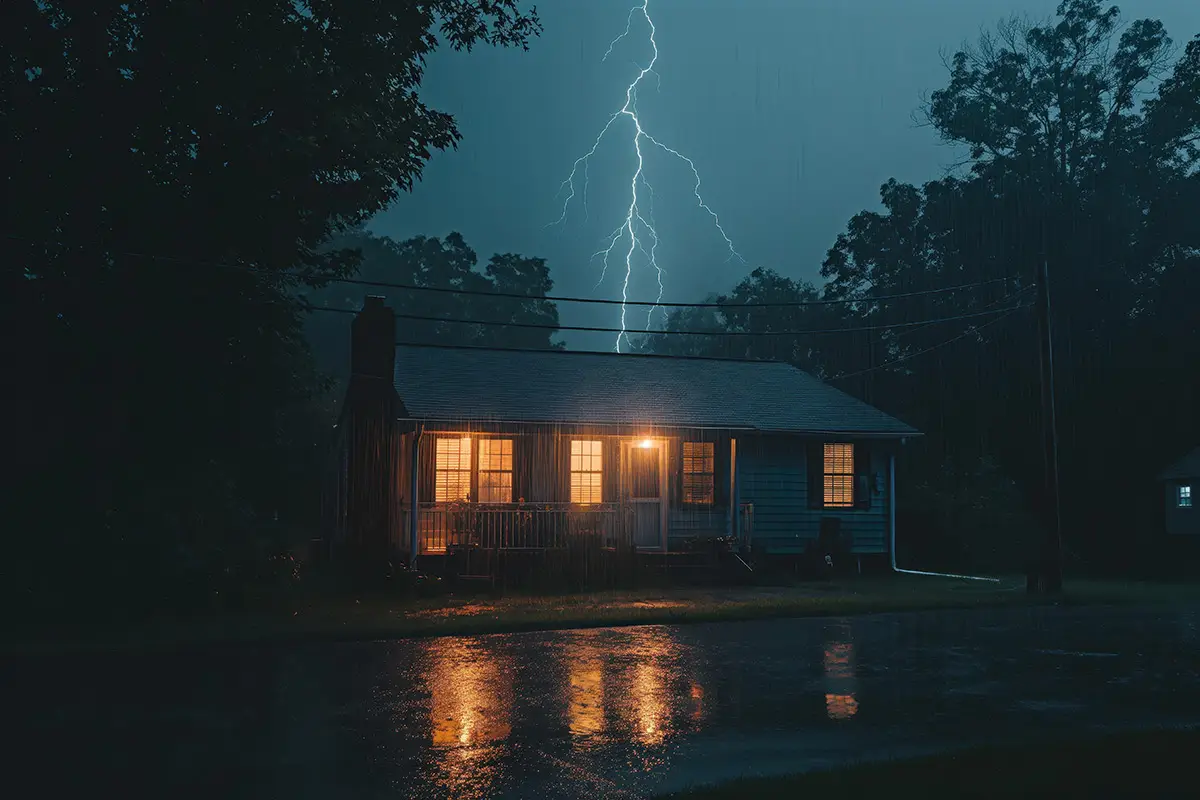
Summer storms can roll through Missouri with little warning, bringing high winds, hail, heavy rain, and falling tree limbs. While the storm may pass quickly, the damage it leaves behind can put your home at risk if it isn’t addressed promptly.
Knowing what to do after a storm can help protect your home, prevent further damage, and make the repair process much smoother.
1. Stay Safe & Assess the Situation
Before inspecting your property, make sure it's safe to go outside. Watch for downed power lines, broken tree limbs, and other hazards.
Walk around your home and look for signs of roof damage from the ground, such as:
- Missing or lifted shingles
- Shingle pieces in the yard
- Dented gutters, downspouts, or roof vents
- Fallen branches on the roof
- Debris scattered around your property
Avoid climbing onto your roof yourself. Storm damage isn’t always visible, and walking on a damaged roof can be dangerous.
2. Check for Interior Signs of Damage
Storm damage isn't always limited to the exterior of your home. Once it's safe, inspect your attic and interior ceilings for signs of water intrusion, including:
- Water stains on ceilings or walls
- Damp insulation
- Dripping water
- Musty odors
- Peeling paint or bubbling drywall
Catching these issues early can help minimize additional repairs.
3. Document Any Visible Damage
If it's safe to do so, take photos of any visible damage around your property. Photograph damaged shingles, gutters, siding, windows, fences, or fallen trees and branches.
Having clear documentation can be helpful if you need to file an insurance claim.
4. Schedule a Professional Roof Inspection
Not all storm damage is obvious. Hail impacts, lifted shingles, damaged flashing, and weakened roofing materials can easily go unnoticed by homeowners.
A professional roof inspection can identify both visible and hidden damage before it develops into leaks or more costly repairs.
5. Don't Wait to Make Repairs
Even minor roof damage can allow water to penetrate your home's structure over time. Delaying repairs can lead to:
- Interior water damage
- Mold and mildew growth
- Wood rot
- Higher repair costs
- Reduced roof lifespan
Addressing problems early helps protect your home and your investment.
6. Work with a Trusted Local Roofing Contractor
Choosing an experienced local contractor ensures your roof is properly inspected and repaired using quality materials and workmanship. A reputable roofing company can also help explain the repair process and provide the documentation you may need for your insurance company.
At S2C Roofing Company, we’re committed to helping homeowners restore their homes quickly and professionally after severe weather.
Protect Your Home After the Storm
Summer storms are unpredictable, but responding quickly can make all the difference. If you suspect your roof has been damaged by hail, wind, or heavy rain, don’t wait for a leak to appear.
Contact S2C Roofing Company today to schedule a professional roof inspection. Our experienced team will assess your roof, identify any storm-related damage, and recommend the best solution to help protect your home.
FAQs
It's best to schedule an inspection as soon as possible. Some damage isn't immediately visible but can worsen over time if left untreated.
Yes. Hail can bruise or weaken shingles without creating an immediate leak. Over time, this damage can shorten the life of your roof and eventually lead to water intrusion.
Many homeowners insurance policies cover sudden storm-related damage, such as hail or wind. Coverage varies by policy, so it's always a good idea to review your insurance details and work with a qualified roofing contractor.
No. Climbing onto a roof after a storm can be dangerous, especially if there is hidden structural damage. A professional inspection is the safest and most effective way to assess your roof.
If it's safe to do so, try to minimize interior water damage by placing a bucket under the leak and moving valuables out of the area. Then, contact a professional roofing contractor as soon as possible to schedule an inspection and repairs.